






























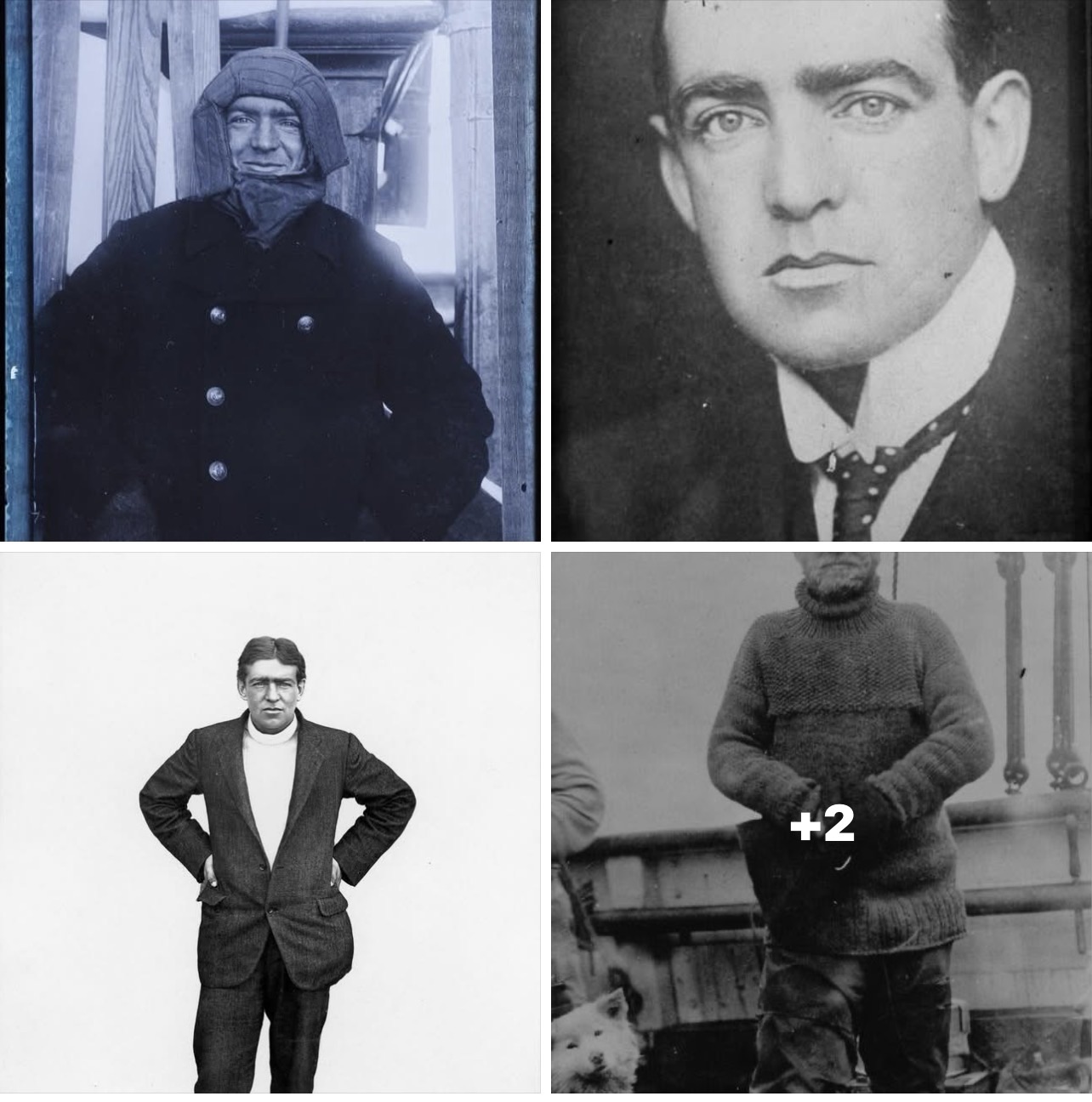
Shackleton was the second of ten children and the first son. His family moved to London when he was ten, and Shackleton was always proud of his Irish roots. Not particularly enamored with formal education, he left school at 16 years for an apprenticeship on the sailing ship ‘Hoghton Tower’. Shackleton went on to take part in four Antarctic expeditions, leading three of them, and is one of the most well-known explorers of the Heroic Age of Antarctic Exploration.
Known as ‘The Boss’ to his crews, Shackleton was a born leader with an instinctive leadership style that was incredibly effective. Never was this more evident, than during the Imperial Trans-Antarctic ‘Endurance’ Expedition 1914-17, when the sinking of the ship left the 28 strong crew stranded, sparking one of the most incredible stories of survival in Antarctic history. After months of living in makeshift camps on the ice, an unbelievable journey in lifeboats to the inhospitable remote Elephant Island, a 1,300km journey on the lifeboat ‘James Caird’ to South Georgia Island for six of the men, and an overland journey taken by Shackleton Worsley and Crean to Stromness whaling station, the remaining men at Elephant Island were eventually rescued after four attempts, more than three months since Shackleton had left the island.
As caretakers of ‘Nimrod’ hut at Shackleton’s Cape Royds base, Antarctic Heritage Trust uses Shackleton’s legacy to inspire the next generation of explorers with expeditions to the polar regions. We hope to inspire young people to identify with the legacy, value it, and in the future be motivated to protect it.
We would love to hear what inspires you most about Sir Ernest Shackleton!
📸 Sir Ernest Shackleton, Canterbury Museum
OTD #inspire #explore #discover #conserve #Antarctica
Fuente: Antártic Heritage Trust